Wondering whether selling in Colonial Heritage is different from selling in a typical Williamsburg-area neighborhood? In many ways, it is. Between HOA paperwork, community rules, and a buyer pool that often cares deeply about amenities and lifestyle, it helps to know what is coming before your home hits the market. This guide walks you through what to expect, what can affect your timeline, and how to prepare with fewer surprises. Let’s dive in.
Why Colonial Heritage sales feel different
Colonial Heritage is a 55-plus community in James City County with a strong lifestyle focus. Residents have access to amenities that include indoor and outdoor pools, a fitness center, pickleball, tennis, Bocce, a 25,000-square-foot clubhouse, arts and crafts space, a library, meeting rooms, and walking trails. The golf course and dining venues are also open to the public, which gives the neighborhood an active, amenity-centered feel.
That matters when you sell. Many buyers in Colonial Heritage are not just comparing floor plans and finishes. They are also thinking about low-maintenance living, social opportunities, and how the community fits their next stage of life.
Because Colonial Heritage operates as housing for persons 55 and older under applicable rules, age-related occupancy standards are part of the broader community structure. Public covenants also reference Fair Housing and Housing for Older Persons Act restrictions. For you as a seller, the practical takeaway is simple: buyers are often evaluating both the home and the community experience.
Start HOA paperwork early
One of the biggest timeline issues in Colonial Heritage is the resale certificate. In Virginia, the seller or the seller’s agent must obtain the resale certificate from the association and provide it to the purchaser, and that requirement cannot be waived by agreement.
The association generally has 14 days to deliver the resale certificate after a written request. If your contract does not set a different timeline, the buyer may cancel within three days after receiving it. That means delays in ordering the certificate can delay your sale or create avoidable stress once you are under contract.
The resale certificate can include important details about:
- Governing documents
- Assessments and unpaid fees
- Approved special assessments
- Insurance
- Possible age limits on occupants
- Restrictions on signs, parking, rentals, and other uses
- Whether known alterations or improvements violate rules
- Whether any uncured code violations are known
There is also a cost factor to plan for. Virginia states that resale fees are due when the certificate is ordered unless the association’s policy says otherwise, and the seller is responsible for the preparation and delivery fees.
If your certificate becomes too old, you may need an updated one. Virginia law requires an updated resale certificate when the original was issued more than 30 days but less than 12 months before settlement.
Check for exterior issues before listing
In Colonial Heritage, pre-listing cleanup is not just about presentation. It is also about compliance.
The public covenants and design rules indicate that exterior changes generally require approval, outside storage of bulk materials must be screened, and the association can enforce design standard violations. If you have made exterior updates or have visible items stored outside, it is smart to review those details before your home goes on the market.
Common trouble spots may include:
- Patio changes
- Paint or exterior finish changes
- Fences or screens
- Visible storage items
- Other exterior modifications that may need approval
This matters because resale disclosures may address whether known uses, alterations, or improvements violate governing documents or rules. If an issue surfaces late, it can complicate negotiations or slow the path to closing.
Focus on curb appeal and cleanliness
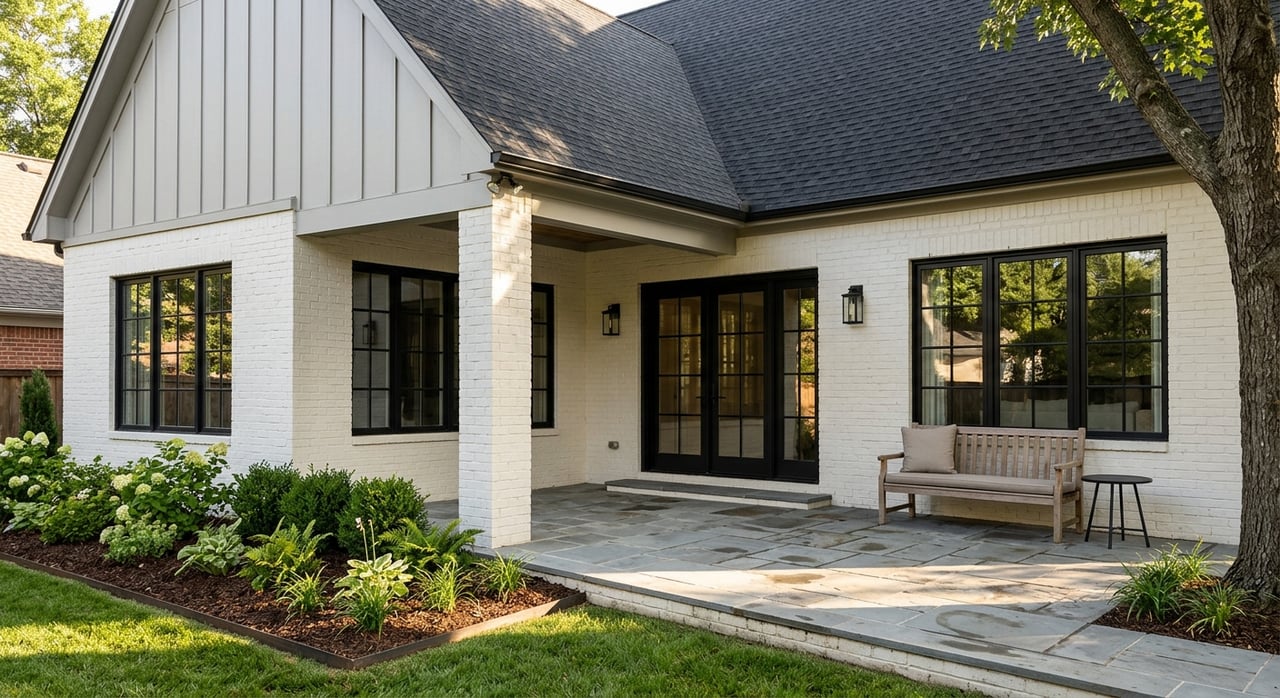
Colonial Heritage’s covenants require owners to keep their premises safe, clean, neat, and sanitary. They also specifically require lawn care, tree and shrub maintenance, and proper trash storage.
That makes first impressions especially important. Even in a market where buyers often begin online, a well-kept exterior helps reinforce that your home has been cared for and fits community standards.
Before listing, it is wise to spend time on the basics:
- Refresh landscaping
- Trim shrubs and trees
- Store trash containers properly
- Clear clutter from outdoor areas
- Make sure entry areas feel clean and welcoming
Inside the home, the same principle applies. Clean, open rooms tend to show better, especially when buyers are comparing your property to other homes that offer a similar lifestyle.
Plan staging without a yard sale
If you need to declutter before listing, Colonial Heritage’s rules may shape how you do it. The public design guidelines say yard sales, tag sales, and garage sales are not permitted.
That means your best plan is to donate, discard, or store excess items off-site. If you are downsizing, this step can take longer than expected, so it helps to start early rather than trying to sort everything once the listing date is close.
A lighter, less crowded presentation can be especially helpful in an active-adult community. Buyers often want to see ease of movement, comfortable gathering spaces, and a home that feels simple to maintain.
Expect a different marketing approach
Colonial Heritage also has tighter sign rules than many neighborhoods. The guidelines allow only one real estate sign in a window visible from the street, and no signs may be visible from the golf-course side.
Because of that, your sale will likely rely much more on digital marketing, listing photos, and scheduled showings than on curbside visibility. In a community where buyers may be relocating or planning visits around specific neighborhoods, strong online presentation becomes even more important.
This is one reason professional preparation matters. Clear photography, thoughtful pricing, and a well-organized listing strategy can do more of the heavy lifting when signage options are limited.
Prepare for lifestyle-driven buyers
In Colonial Heritage, buyers may ask different questions than they would in a standard subdivision. Of course they will care about the home itself, but they are also likely to ask about HOA dues, assessments, maintenance responsibilities, and whether any unresolved association issues exist.
That is not surprising given the community setup and the information included in the resale certificate. Buyers often want a full picture of how the neighborhood functions and what ownership looks like day to day.
Showings may also require thoughtful coordination. With public golf and dining, plus a full social environment, Colonial Heritage can feel more active than a quieter neighborhood. A flexible, organized showing plan can help your home present well while keeping the process smooth.
Price for today’s market
Even in a desirable community, pricing still matters. Recent market data suggests sellers in the Greater Williamsburg and James City County area should expect a more measured pace than the fastest market conditions seen in recent years.
WAAR reported that in the Greater Williamsburg region, Q4 2025 median sales price reached $480,000, active listings rose to 783, months of supply increased to 2.9, and median days on market rose to 28. WAAR also reported that James City County’s median price increased 13 percent year over year to $501,250.
More recent March 2026 CVR MLS data showed James City County single-family homes with a median sales price of $640,000, median 56 days on market, and 2.6 months of supply. Condo and townhome properties showed a median price of $359,900, 45 days on market, and 2.8 months of supply.
Taken together, those numbers point to a market that is closer to balanced than extremely tight. For you, that means correct pricing, strong presentation, and early preparation still make a meaningful difference.
What sellers should expect overall
If you are selling a home in Colonial Heritage, the process is manageable, but it does reward preparation. Compared with a more typical neighborhood sale, you should expect greater sensitivity to HOA paperwork, exterior rules, and community-specific buyer questions.
The clearest path is to start early. Order the resale certificate promptly, address any visible exterior concerns, declutter with community rules in mind, and position your home for buyers who are choosing both a property and a lifestyle.
If you want calm, local guidance on selling in Colonial Heritage, Robert Ramirez can help you move forward with clarity and confidence.
FAQs
How long does HOA paperwork take when selling in Colonial Heritage?
- In Virginia, the association generally has 14 days to deliver the resale certificate after a written request.
Do you need a resale certificate to sell a home in Colonial Heritage?
- Yes. In Virginia, the seller or seller’s agent must obtain the resale certificate from the association and provide it to the purchaser.
Can you use a yard sign when selling in Colonial Heritage?
- Colonial Heritage’s public guidelines allow only one real estate sign in a window visible from the street, and no sign may be visible from the golf-course side.
Should you fix HOA violations before listing a Colonial Heritage home?
- Yes. Known violations or unapproved alterations can become part of the resale disclosure process and may create delays or concerns for buyers.
What do buyers care about in Colonial Heritage besides the house?
- Many buyers also focus on amenities, maintenance expectations, HOA details, and the overall lifestyle the community offers.
Is pricing still important in James City County’s current market?
- Yes. Recent local data suggests a more balanced market, so realistic pricing and strong presentation remain important for sellers.